
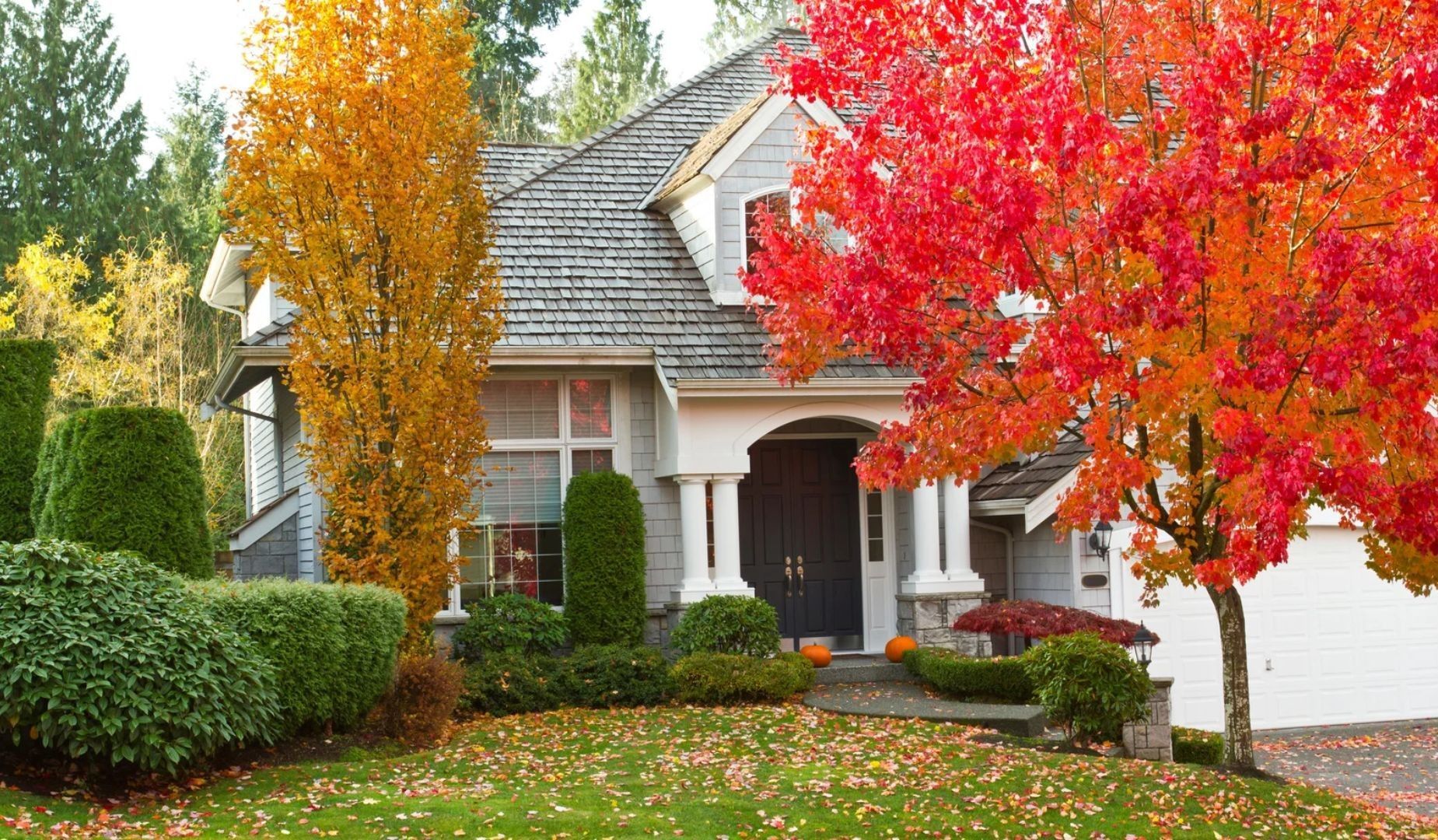
Once the temperature drops, many homeowners turn their attention to preparing their homes for winter. You might be cleaning out the gutters, checking your heating system, or sealing up drafty windows, but there’s one important part of your home that deserves attention before the cold weather arrives: your roof. Your roof protects your home from the elements year-round, but summer heat, heavy rain, and seasonal storms can take a toll on its condition. Kansas City has experienced its share of severe weather this year, and even roofs without obvious signs of damage may have been affected by hail, high winds, or heavy rain. If you’ve been putting off your next roof inspection, here are five reasons why fall is an ideal time to get it done. 1. Catch Summer Storm Damage Before Winter Arrives Homeowners know that summer weather can be unpredictable in the Midwest. Between strong thunderstorms, high winds, and hail, your roof can take a beating over the warmer months. Even if your roof looks fine from the ground, storms can leave behind damage that isn’t immediately obvious. Missing or damaged shingles, loose flashing, and small cracks around the ridges and valleys of your roof can create opportunities for water to enter your home. In some cases, the damage may not cause a noticeable leak right away. Instead, water can gradually work its way beneath your roofing materials and damage the underlying structure. Fall provides a valuable opportunity to identify these issues before winter weather arrives. A professional inspection can help uncover storm-related damage and determine whether repairs or further evaluation are needed. The sooner you identify a problem, the more options you may have for addressing it before it becomes a bigger headache. 2. Prepare Your Roof for Freezing Temperatures and Winter Weather Winter can be particularly hard on roofing systems. Freezing temperatures, snow, ice, and repeated freeze-thaw cycles can put additional stress on already damaged areas. When moisture enters small cracks or vulnerable areas during colder months, it can freeze and expand, potentially worsening existing damage. As temperatures fluctuate, this process can contribute to further deterioration. Damaged shingles, worn sealant, and compromised flashing may become more vulnerable as winter progresses. Ice dams are another concern for homeowners. These ridges of ice can form along roof edges when melting snow refreezes. Although ice dams are often associated with heat loss and ventilation issues, existing roof vulnerabilities can make the resulting water intrusion especially problematic. While an inspection cannot prevent every winter issue, it can help you enter the season with greater confidence in your roof's condition. 3. Address Small Problems Before They Become Expensive Repairs One of the biggest advantages of scheduling a roof inspection in the fall is the opportunity to catch minor issues before they develop into costly problems. A loose shingle or a small gap around flashing may not seem urgent when the weather is mild. However, repeated exposure to rain, wind, snow, and ice can cause these vulnerabilities to worsen. What might have required a relatively straightforward repair could eventually lead to water damage, damaged insulation, interior ceiling stains, or even structural concerns. It’s also worth remembering that an inspection doesn't automatically mean you need a new roof. Sometimes, a few targeted repairs are all that's needed to address the issues identified. The goal is to understand what your roof needs now so you can make informed decisions about its long-term care. Taking a proactive approach can help you avoid unnecessary surprises and manage home maintenance costs more effectively. 4. Take Advantage of Mild Fall Weather for Roofing Work Timing matters when it comes to roof maintenance. Although roofing professionals work throughout the year, fall often offers a useful window for completing inspections and addressing certain roofing issues before winter conditions become more challenging. Mild temperatures can make it easier for contractors to evaluate roofing materials and complete appropriate repairs. Once freezing temperatures, snow, and ice become more frequent, weather conditions can limit when some work can safely be performed. Scheduling your inspection before winter arrives also gives you time to plan. If your roof needs repairs or a full replacement, you can discuss the next steps with your contractor rather than scrambling to address a problem during a winter storm. Keep in mind that fall is also a popular time for homeowners to prepare their properties for winter, so inspection schedules can fill up. Scheduling ahead gives you a better chance of finding a convenient appointment and allows more time to address any concerns that come to light. Even if your roof appears to be in good shape, having it checked before winter can provide valuable peace of mind. 5. Gain Peace of Mind Before the Holiday Season Fall is a busy time for many homeowners. Between preparing for the holidays, traveling, and getting your home ready for colder temperatures, unexpected roofing problems are probably the last thing you want to deal with. Scheduling a roof inspection before winter can help you understand your roof's condition and address potential concerns while there's still time to plan. Even if your roof doesn't need repairs, knowing that a professional has evaluated its condition can provide valuable peace of mind as you head into the colder months . Schedule Your Fall Roof Inspection with Ameristar Roofing & Restoration Your roof works hard to protect your home through every season, and a little preventative attention can go a long way. By scheduling an inspection in the fall, you can identify summer storm damage, prepare for winter weather, address small problems early, and better understand your roof's long-term needs. Don't wait until the first winter storm reveals a problem that could have been caught sooner. Ameristar Roofing & Restoration offers FREE professional roof inspections to help Kansas City homeowners understand the condition of their roofs and determine the best next steps. No pressure, no obligation, just clear answers and a plan if anything needs attention. Contact Ameristar Roofing & Restoration today on our website or by phone at (816) 415-4230 to book your fall roof inspection and head into winter with greater peace of mind.
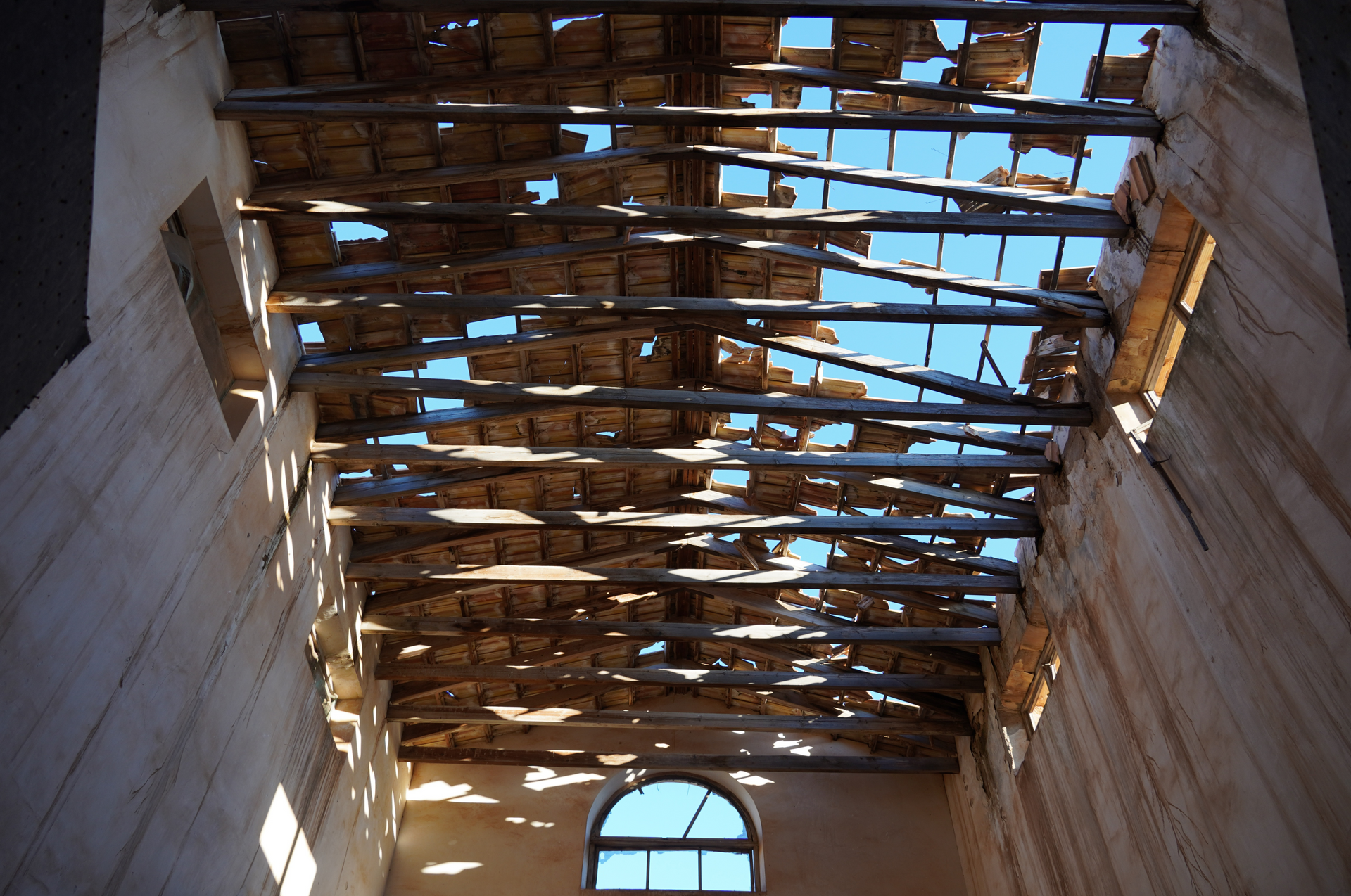
Your roof is one of those parts of your home that’s easy to overlook when everything is working as it should. Like any major component of your home, your roof won’t last forever. As a roof gets older, normal wear and tear can make it more vulnerable to leaks, storm damage, and other problems, and those issues can eventually affect more than just the roof itself. An aging roof can also influence your homeowner’s insurance options, as well as the amount you spend maintaining your home over time. Understanding these potential costs can help you decide when repairs are still worthwhile and when it may be time to start planning for a replacement. When Is a Roof Considered “Old”? There isn’t one specific age when every roof suddenly needs to be replaced. The lifespan of a roof depends on its materials, installation quality, maintenance history, weather exposure, and other factors. Asphalt shingles, which are common on homes throughout the Kansas City area, can provide many years of reliable protection. However, years of exposure to heat, cold, wind, rain, hail, snow, and ice gradually take their toll. Age also isn’t the only thing homeowners should consider! Two roofs installed in the same year can be in very different condition depending on what they’ve been through. That’s why looking at the roof’s physical condition is just as important as knowing the date it was installed. Signs of an aging roof can include cracked, curled, or missing shingles, excessive granule loss, worn flashing, recurring leaks, and visible deterioration around roof penetrations. Even smaller issues can become more significant as the roof continues to age. How Roof Age Can Affect Homeowners Insurance Insurance companies consider a variety of factors when determining coverage, and the age and condition of your roof may be among them. Why does roof age matter to an insurance company? As roofing materials age and experience years of weather exposure, they may become more susceptible to leaks, wind damage, and other problems. Depending on the insurer and policy, roof age and condition may also be factors in the coverage options available to a homeowner. Some insurers may also request information about the roof’s age or condition when writing or renewing a policy. That doesn’t mean an older roof automatically creates an insurance problem. Every insurance company and policy is different. Homeowners should speak directly with their insurance agent or carrier to understand their specific coverage and how roof age may factor into it. Knowing the condition of your roof ahead of time can make those conversations easier. Small Repairs Can Start Adding Up One of the biggest financial considerations with an aging roof is that repairs may become more frequent, and those costs can start adding up. A small repair every few years may not be a major concern. But as roofing materials deteriorate, problems can become more frequent. You might repair a leak in one area only to discover damaged shingles somewhere else a few months later. Over time, repeatedly paying for temporary fixes can become less practical. There’s also the possibility that an aging roof can cause damage beyond the roofing system itself. A leak that goes unnoticed, for example, can allow moisture into the attic and potentially damage insulation, decking, ceilings, or interior finishes. Catching problems early is usually much easier than dealing with damage after water has made its way inside the home. Maintenance Becomes More Important with Age Regular roof maintenance is valuable at any stage, but it becomes especially important as your roof gets older. Professional inspections can help identify developing problems before they turn into larger repairs. An inspection might uncover loose or damaged shingles, worn flashing, deteriorating sealants, ventilation concerns, or other issues that aren’t obvious from the ground. For homeowners, this information can also help with budgeting. If an inspection shows that the roof is generally in good condition, you may simply need to keep up with routine maintenance. If several areas are beginning to show significant wear, you can start planning financially for a future replacement instead of being caught off guard. Know What’s Happening Above Your Head You don’t necessarily need to replace your roof simply because it has reached a certain age, but you should know what condition it’s in. If your roof is getting older or you’re unsure when it was last inspected, scheduling a professional inspection is a good place to start. An experienced roofing contractor can identify signs of wear, explain which issues need attention, and help you understand whether repair, maintenance, or replacement makes the most sense. At Ameristar Roofing & Restoration , we help Kansas City homeowners understand the condition of their roofs and make informed decisions about what comes next. Call us at (816) 415-4230 or visit our service tabs to schedule your free roof inspection and get a clearer picture of what your roof needs now, and what you may need to plan for down the road.
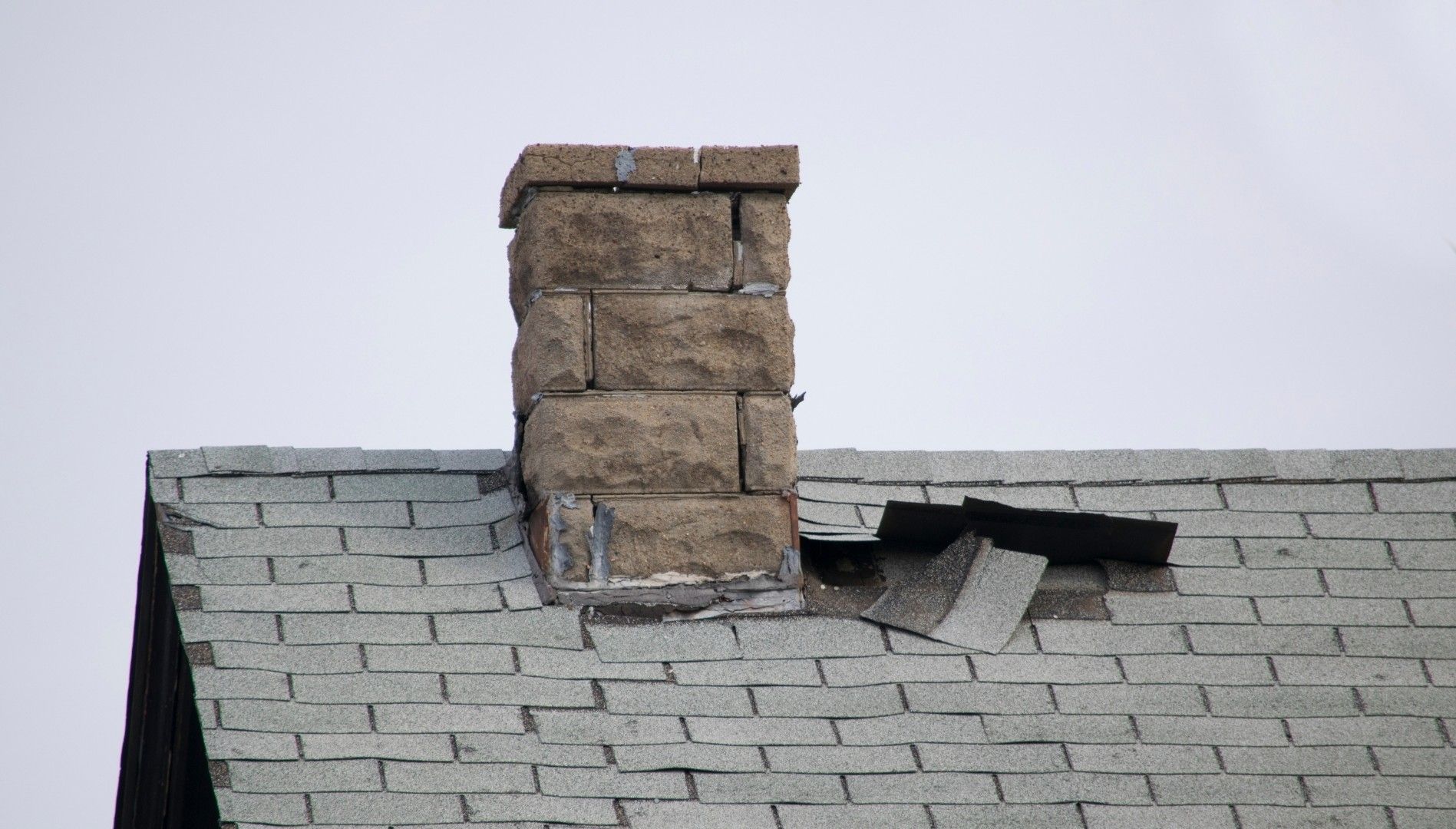
Homeowner’s Guide to Roofing Repairs: Timeline, Noise, and Cleanup
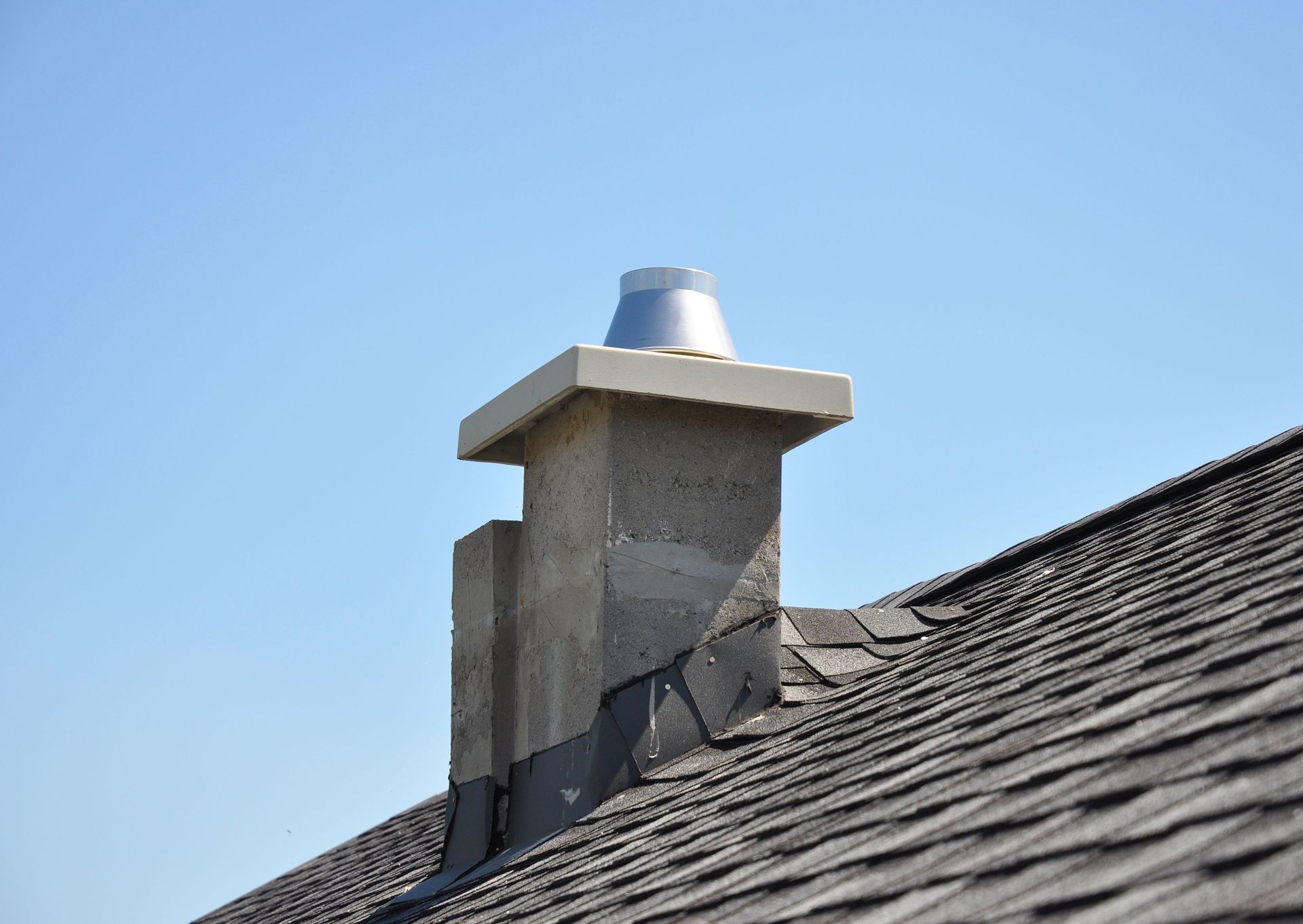
Why Roof Ventilation Matters (Especially Now)
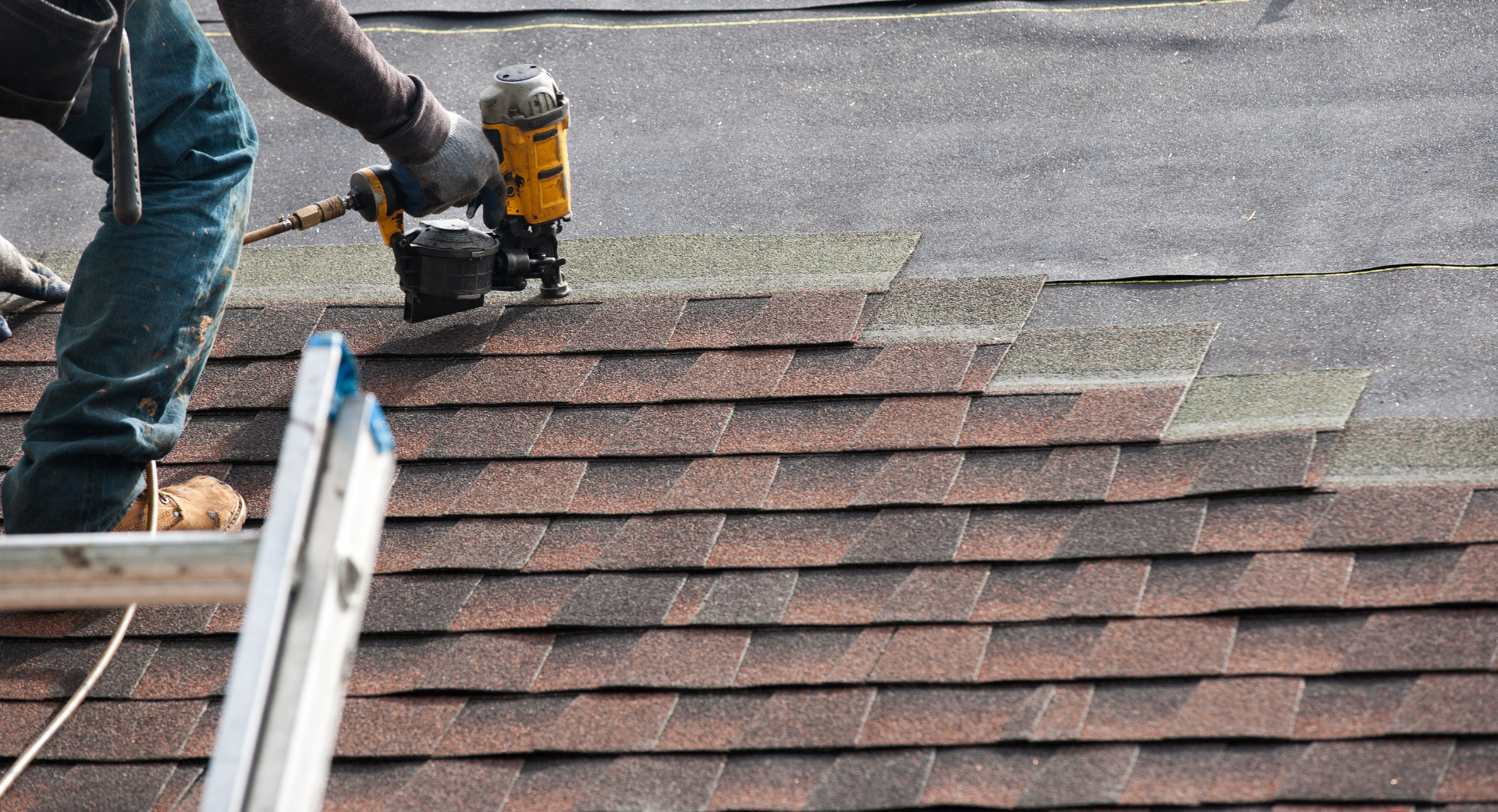
Summer is one of the best times to inspect your roof. While winter and spring often cause the initial damage, summer is when many roofing problems finally become visible. Heat, UV exposure, thunderstorms, and high winds can all expose weak spots before they turn into costly repairs. With a little background knowledge and a good eye, you can get ahead of any possible (and expensive) repairs. 1. Heat-Damaged Shingles The shingles on your roof absorb a significant amount of heat during the summer months. Especially on sunny cloudless days in Kansas City, your shingles can turn your roof into a stovetop. Over time, this constant exposure to heat and sunlight can cause roofing materials to deteriorate. Asphalt shingles naturally age over time, but prolonged UV exposure can accelerate the process. You might notice that your shingles are starting to peel, crack, or loosen. Heat-damaged shingles may not immediately lead to leaks, but they become less effective at protecting your home from rain and wind. Once shingles begin to deteriorate, they're more likely to break, lift, or blow off during summer storms. The seasons will shift again, and those tiny imperfections can grow into larger roofing problems within a few months. If you notice any of these warning signs, it's a good idea to schedule a professional roof inspection before the damage spreads. 2. Storm and Wind Damage Kansas City is no stranger to summer thunderstorms and high winds, and your roof might have taken a beating from recent storms. Sometimes, storm damage is obvious. You may spot shingles in your yard or notice a leak in your ceiling after they blow through town. However, many roofing issues from these storms are less visible. Wind can loosen shingles without completely removing them, creating weak points that allow water to penetrate the roofing system over time. Hail, although less common in summer when compared to spring, can also damage shingles by knocking off their protective granules. If the hailstones are large enough, they might even make visible impacts on the shingles, significantly shortening your roofing system’s lifespan. After a significant storm, homeowners should perform a visual inspection from the ground and look for signs of damage. If anything seems unusual, a professional inspection can help identify hidden issues before they become expensive repairs. 3. Flashing Failures Around Roof Penetrations Unlike shingles, flashing isn't easy to inspect from the ground. As the material is installed around areas where the roof meets other structures, it is responsible for directing water away from vulnerable areas of the roof, like chimneys, vents, skylights, and walls. Unfortunately, flashing is often one of the first components to develop problems during summertime. The heat can cause the metal to expand and contract, gradually weakening seals and creating gaps where water can enter. Because flashing problems are often hidden, homeowners may not realize there's an issue until they notice water stains on ceilings or walls. Common signs of flashing issues include: · Water stains in the attic · Leaks around chimneys or skylights · Damaged caulking or sealant · Rusted or loose flashing materials A small flashing repair is typically much more affordable than repairing extensive water damage inside the home, making early detection especially important. 4. First Signs of Small Leaks Summer is often when hidden leaks finally make themselves known to homeowners. A roof may have developed minor damage during a winter snowstorm or a spring hailstorm might have left behind a few small dents, and now those minor issues have developed into larger problems. Even a small leak can lead to significant problems if ignored. Moisture can damage insulation, drywall, wood framing, and personal belongings. It can also create conditions that encourage mold growth. The sooner a leak is identified and repaired, the less likely it is to cause extensive damage throughout the home. Protect Your Roof Before Problems Get Worse Summer is an excellent time to evaluate the condition of your roof and address small issues before they turn into costly repairs. Heat, storms, and heavy rainfall can expose weaknesses that may have gone unnoticed during other seasons. The good news is that many roofing problems can be caught early with a professional inspection. The sooner roofing problems are identified, the easier and less expensive they are to repair. If you've noticed signs of damage or simply want peace of mind before the next round of summer storms, schedule a free roof inspection with Ameristar Roofing & Restoration. Our experienced local team can identify potential problems before they become costly repairs. Call us at (816) 415-4230 or visit our website for more information about our services.
Consult a reliable local roofing contractor to assess hidden structural leaks, repair torn shingles, and restore your home safely after a severe storm.

A blog post that details some important questions homeowners should ask before moving forward with a particular roofing contractor in the Kansas City Metro
Learn essential steps for filing roof damage claims. Ensure a smooth process! Kansas City Metro.

If you’re planning a roof replacement this year, one of the most important decisions you’ll make is choosing the right shingle. While all asphalt shingles are designed to provide protection, not all shingles offer the same durability, appearance, or long-term value. As the topmost layer of your roofing system, shingles serve as the frontline defense against rain, wind, hail, and temperature swings. They protect the underlayment and flashing beneath them, while also playing a major role in...
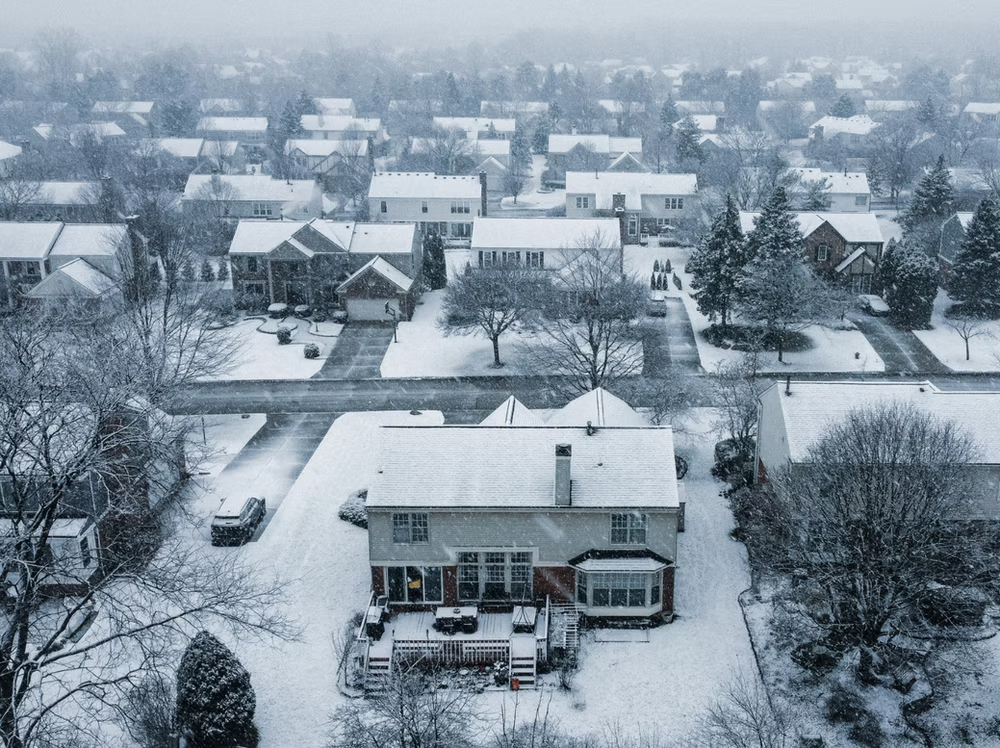
As winter comes to an end, many homeowners assume their roof made it through the season just fine. However, damage caused by snow, ice, and freezing temperatures isn’t immediately obvious. In fact, some of the costliest roofing issues only become noticeable once temperatures rise and spring rain arrives. Because winter damage often develops slowly, many of these issues remain hidden until warmer weather exposes them. Once spring breaks, homeowners discover a whole host of leaks, cracks, and...