
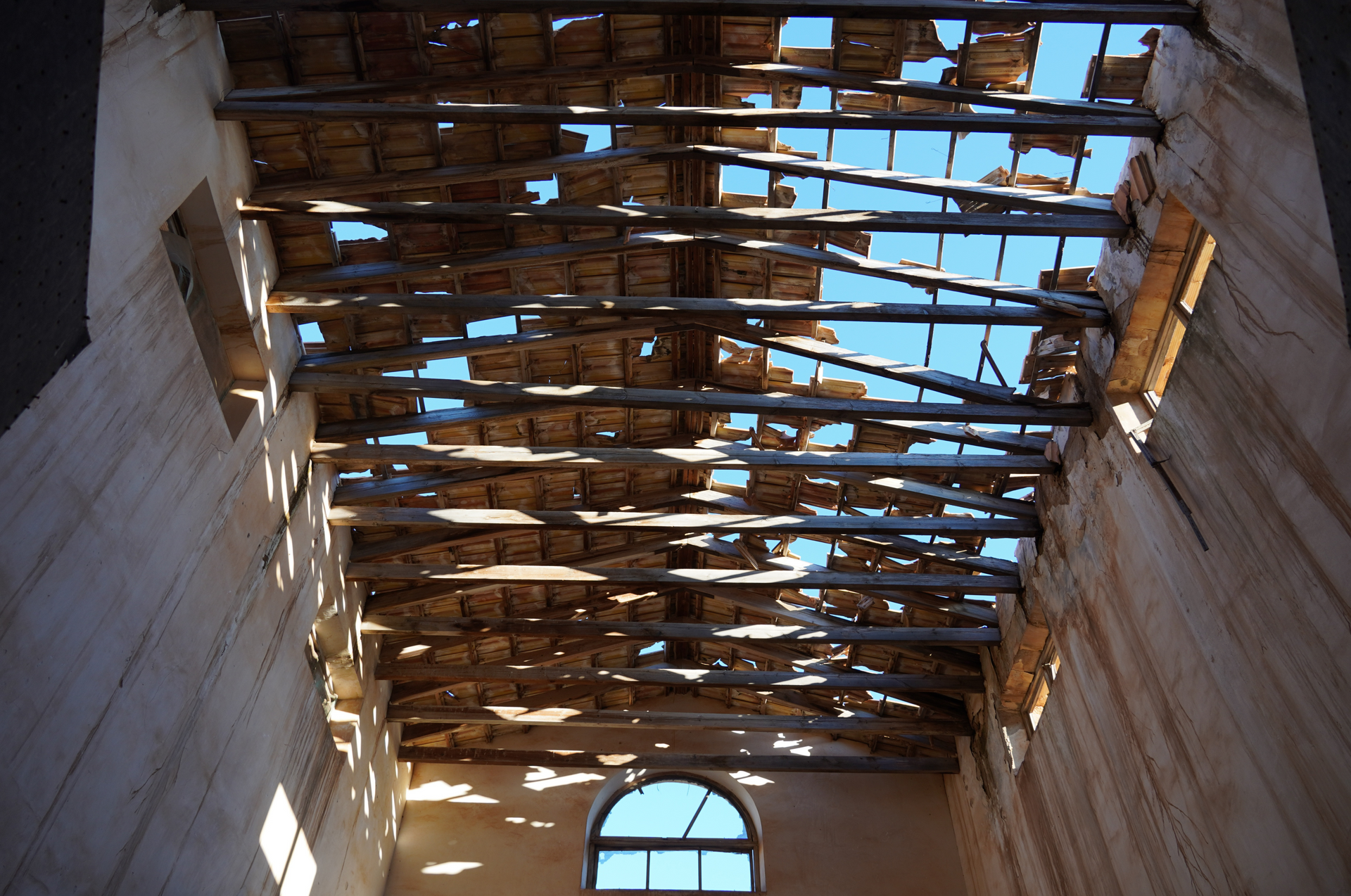
Your roof is one of those parts of your home that’s easy to overlook when everything is working as it should. Like any major component of your home, your roof won’t last forever. As a roof gets older, normal wear and tear can make it more vulnerable to leaks, storm damage, and other problems, and those issues can eventually affect more than just the roof itself. An aging roof can also influence your homeowner’s insurance options, as well as the amount you spend maintaining your home over time. Understanding these potential costs can help you decide when repairs are still worthwhile and when it may be time to start planning for a replacement. When Is a Roof Considered “Old”? There isn’t one specific age when every roof suddenly needs to be replaced. The lifespan of a roof depends on its materials, installation quality, maintenance history, weather exposure, and other factors. Asphalt shingles, which are common on homes throughout the Kansas City area, can provide many years of reliable protection. However, years of exposure to heat, cold, wind, rain, hail, snow, and ice gradually take their toll. Age also isn’t the only thing homeowners should consider! Two roofs installed in the same year can be in very different condition depending on what they’ve been through. That’s why looking at the roof’s physical condition is just as important as knowing the date it was installed. Signs of an aging roof can include cracked, curled, or missing shingles, excessive granule loss, worn flashing, recurring leaks, and visible deterioration around roof penetrations. Even smaller issues can become more significant as the roof continues to age. How Roof Age Can Affect Homeowners Insurance Insurance companies consider a variety of factors when determining coverage, and the age and condition of your roof may be among them. Why does roof age matter to an insurance company? As roofing materials age and experience years of weather exposure, they may become more susceptible to leaks, wind damage, and other problems. Depending on the insurer and policy, roof age and condition may also be factors in the coverage options available to a homeowner. Some insurers may also request information about the roof’s age or condition when writing or renewing a policy. That doesn’t mean an older roof automatically creates an insurance problem. Every insurance company and policy is different. Homeowners should speak directly with their insurance agent or carrier to understand their specific coverage and how roof age may factor into it. Knowing the condition of your roof ahead of time can make those conversations easier. Small Repairs Can Start Adding Up One of the biggest financial considerations with an aging roof is that repairs may become more frequent, and those costs can start adding up. A small repair every few years may not be a major concern. But as roofing materials deteriorate, problems can become more frequent. You might repair a leak in one area only to discover damaged shingles somewhere else a few months later. Over time, repeatedly paying for temporary fixes can become less practical. There’s also the possibility that an aging roof can cause damage beyond the roofing system itself. A leak that goes unnoticed, for example, can allow moisture into the attic and potentially damage insulation, decking, ceilings, or interior finishes. Catching problems early is usually much easier than dealing with damage after water has made its way inside the home. Maintenance Becomes More Important with Age Regular roof maintenance is valuable at any stage, but it becomes especially important as your roof gets older. Professional inspections can help identify developing problems before they turn into larger repairs. An inspection might uncover loose or damaged shingles, worn flashing, deteriorating sealants, ventilation concerns, or other issues that aren’t obvious from the ground. For homeowners, this information can also help with budgeting. If an inspection shows that the roof is generally in good condition, you may simply need to keep up with routine maintenance. If several areas are beginning to show significant wear, you can start planning financially for a future replacement instead of being caught off guard. Know What’s Happening Above Your Head You don’t necessarily need to replace your roof simply because it has reached a certain age, but you should know what condition it’s in. If your roof is getting older or you’re unsure when it was last inspected, scheduling a professional inspection is a good place to start. An experienced roofing contractor can identify signs of wear, explain which issues need attention, and help you understand whether repair, maintenance, or replacement makes the most sense. At Ameristar Roofing & Restoration , we help Kansas City homeowners understand the condition of their roofs and make informed decisions about what comes next. Call us at (816) 415-4230 or visit our service tabs to schedule your free roof inspection and get a clearer picture of what your roof needs now, and what you may need to plan for down the road.
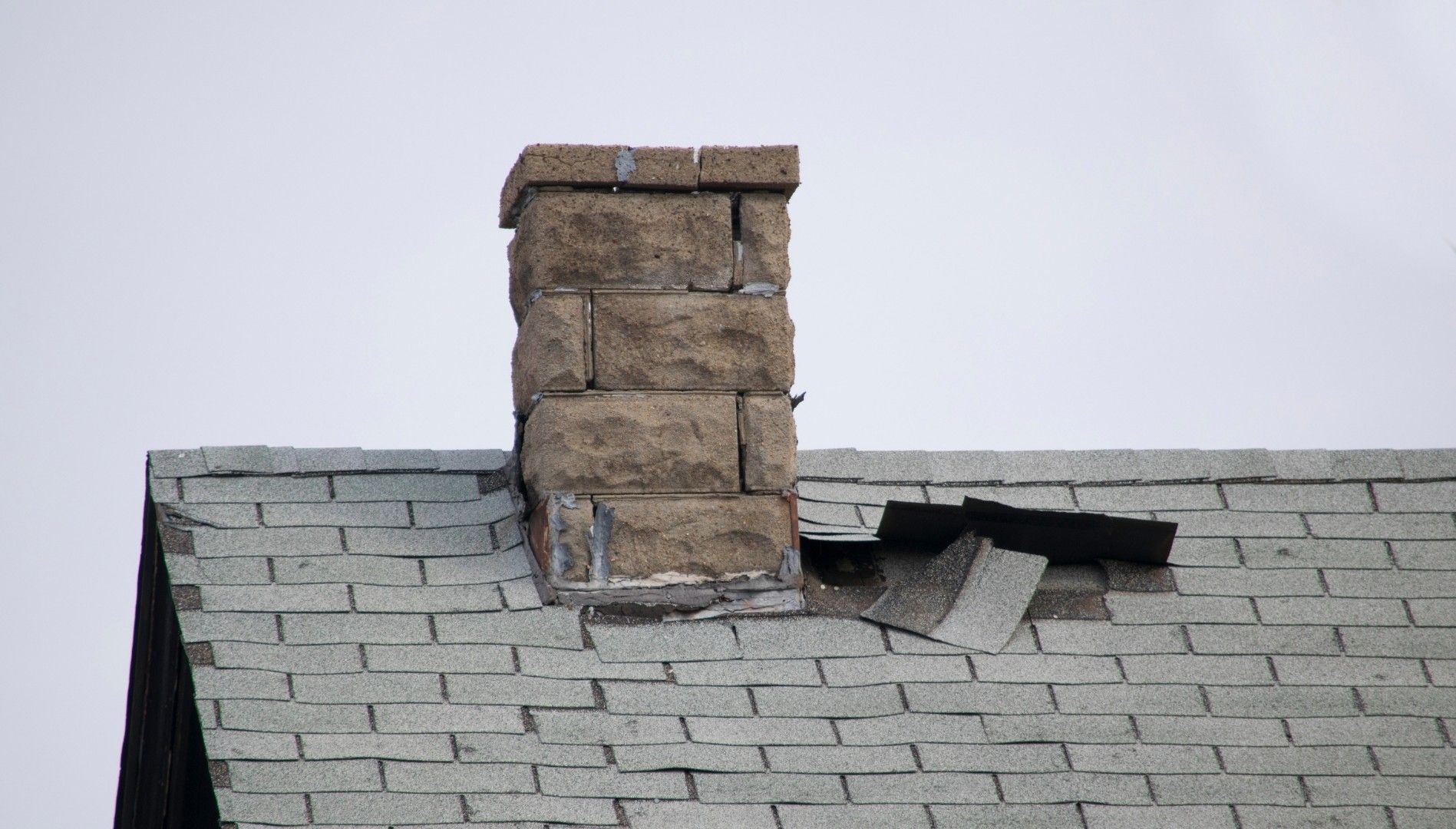
Homeowner’s Guide to Roofing Repairs: Timeline, Noise, and Cleanup
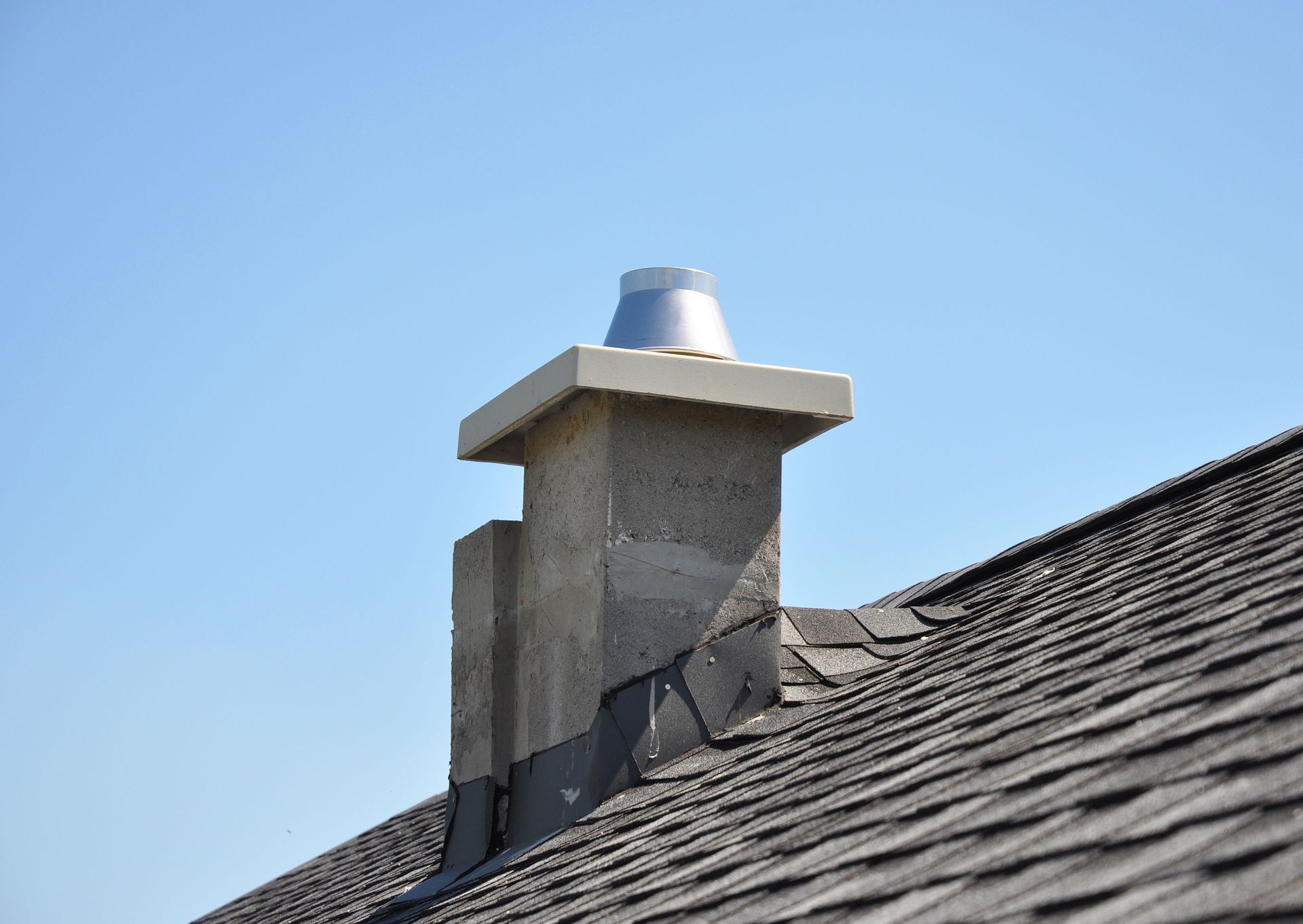
Why Roof Ventilation Matters (Especially Now)