
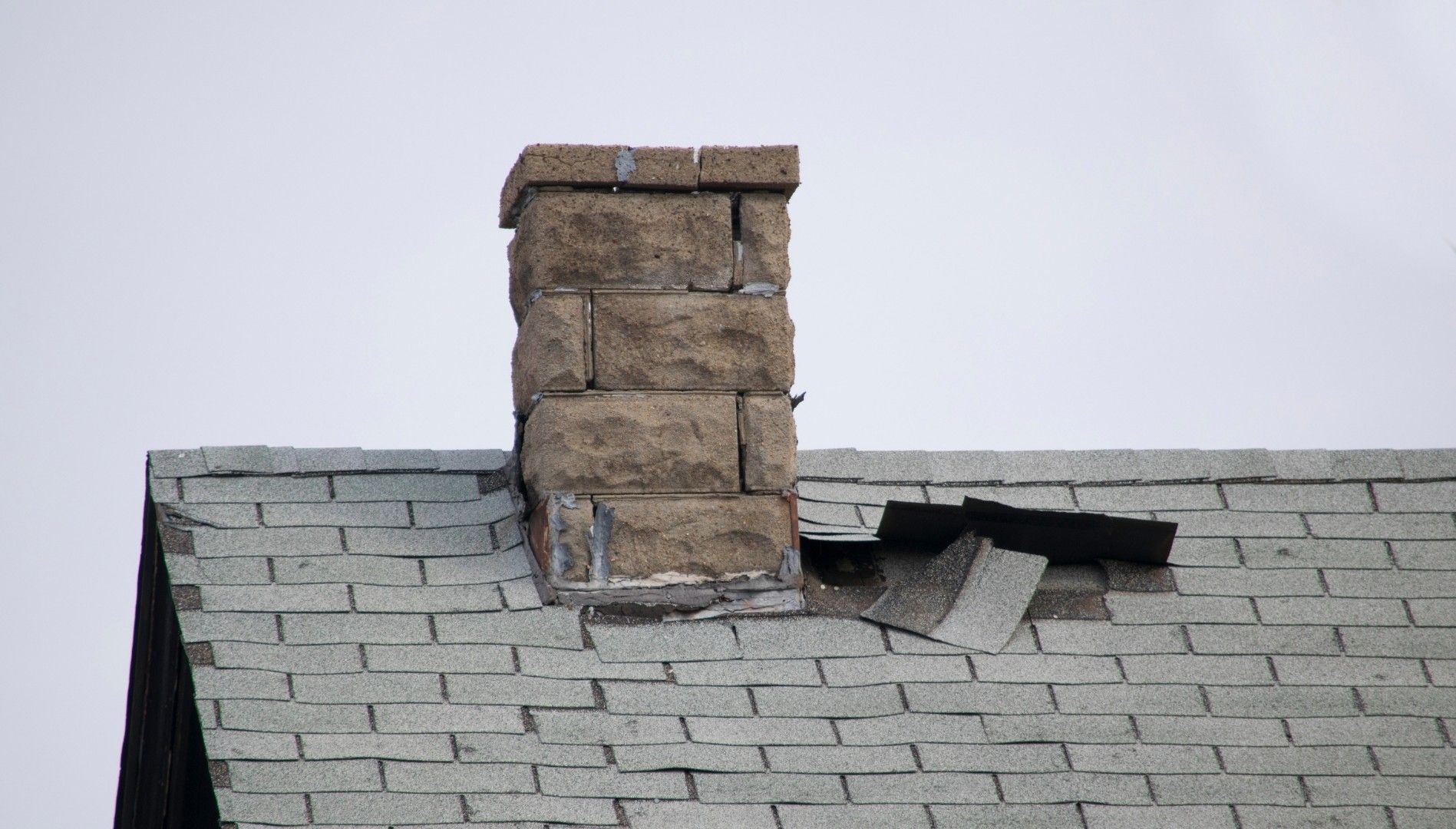
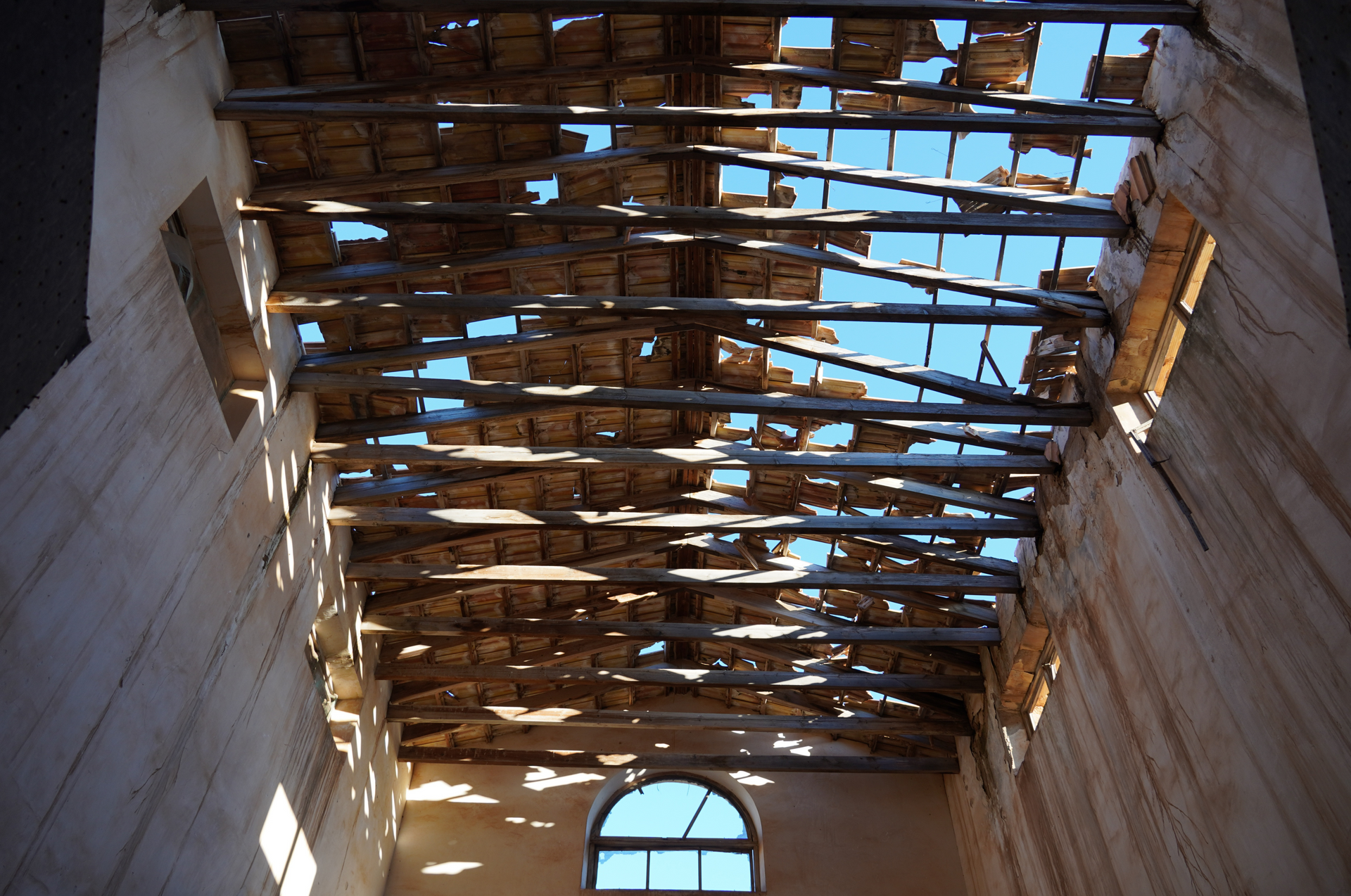
Your roof is one of those parts of your home that’s easy to overlook when everything is working as it should. Like any major component of your home, your roof won’t last forever. As a roof gets older, normal wear and tear can make it more vulnerable to leaks, storm damage, and other problems, and those issues can eventually affect more than just the roof itself. An aging roof can also influence your homeowner’s insurance options, as well as the amount you spend maintaining your home over time. Understanding these potential costs can help you decide when repairs are still worthwhile and when it may be time to start planning for a replacement. When Is a Roof Considered “Old”? There isn’t one specific age when every roof suddenly needs to be replaced. The lifespan of a roof depends on its materials, installation quality, maintenance history, weather exposure, and other factors. Asphalt shingles, which are common on homes throughout the Kansas City area, can provide many years of reliable protection. However, years of exposure to heat, cold, wind, rain, hail, snow, and ice gradually take their toll. Age also isn’t the only thing homeowners should consider! Two roofs installed in the same year can be in very different condition depending on what they’ve been through. That’s why looking at the roof’s physical condition is just as important as knowing the date it was installed. Signs of an aging roof can include cracked, curled, or missing shingles, excessive granule loss, worn flashing, recurring leaks, and visible deterioration around roof penetrations. Even smaller issues can become more significant as the roof continues to age. How Roof Age Can Affect Homeowners Insurance Insurance companies consider a variety of factors when determining coverage, and the age and condition of your roof may be among them. Why does roof age matter to an insurance company? As roofing materials age and experience years of weather exposure, they may become more susceptible to leaks, wind damage, and other problems. Depending on the insurer and policy, roof age and condition may also be factors in the coverage options available to a homeowner. Some insurers may also request information about the roof’s age or condition when writing or renewing a policy. That doesn’t mean an older roof automatically creates an insurance problem. Every insurance company and policy is different. Homeowners should speak directly with their insurance agent or carrier to understand their specific coverage and how roof age may factor into it. Knowing the condition of your roof ahead of time can make those conversations easier. Small Repairs Can Start Adding Up One of the biggest financial considerations with an aging roof is that repairs may become more frequent, and those costs can start adding up. A small repair every few years may not be a major concern. But as roofing materials deteriorate, problems can become more frequent. You might repair a leak in one area only to discover damaged shingles somewhere else a few months later. Over time, repeatedly paying for temporary fixes can become less practical. There’s also the possibility that an aging roof can cause damage beyond the roofing system itself. A leak that goes unnoticed, for example, can allow moisture into the attic and potentially damage insulation, decking, ceilings, or interior finishes. Catching problems early is usually much easier than dealing with damage after water has made its way inside the home. Maintenance Becomes More Important with Age Regular roof maintenance is valuable at any stage, but it becomes especially important as your roof gets older. Professional inspections can help identify developing problems before they turn into larger repairs. An inspection might uncover loose or damaged shingles, worn flashing, deteriorating sealants, ventilation concerns, or other issues that aren’t obvious from the ground. For homeowners, this information can also help with budgeting. If an inspection shows that the roof is generally in good condition, you may simply need to keep up with routine maintenance. If several areas are beginning to show significant wear, you can start planning financially for a future replacement instead of being caught off guard. Know What’s Happening Above Your Head You don’t necessarily need to replace your roof simply because it has reached a certain age, but you should know what condition it’s in. If your roof is getting older or you’re unsure when it was last inspected, scheduling a professional inspection is a good place to start. An experienced roofing contractor can identify signs of wear, explain which issues need attention, and help you understand whether repair, maintenance, or replacement makes the most sense. At Ameristar Roofing & Restoration , we help Kansas City homeowners understand the condition of their roofs and make informed decisions about what comes next. Call us at (816) 415-4230 or visit our service tabs to schedule your free roof inspection and get a clearer picture of what your roof needs now, and what you may need to plan for down the road.
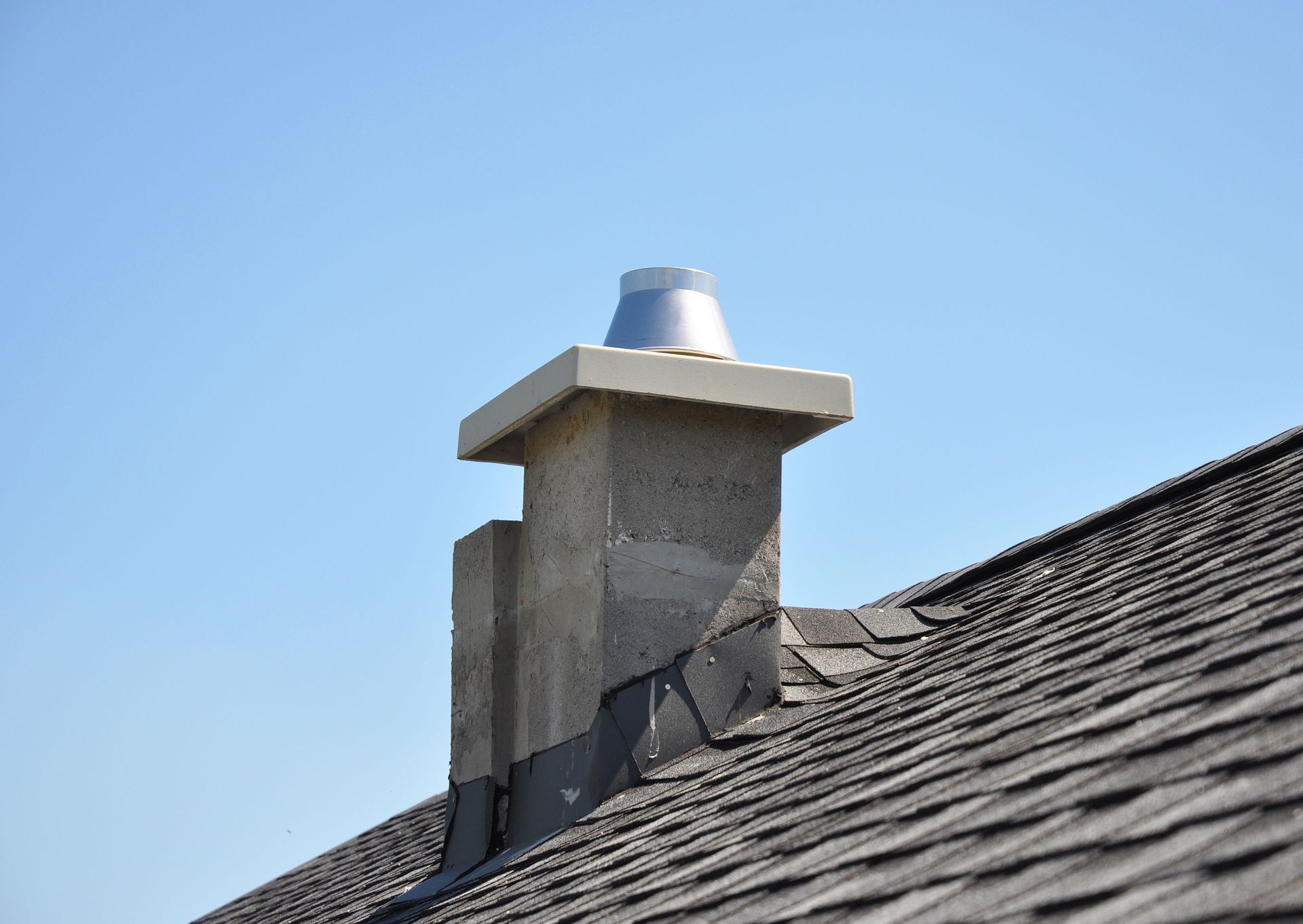
Why Roof Ventilation Matters (Especially Now)
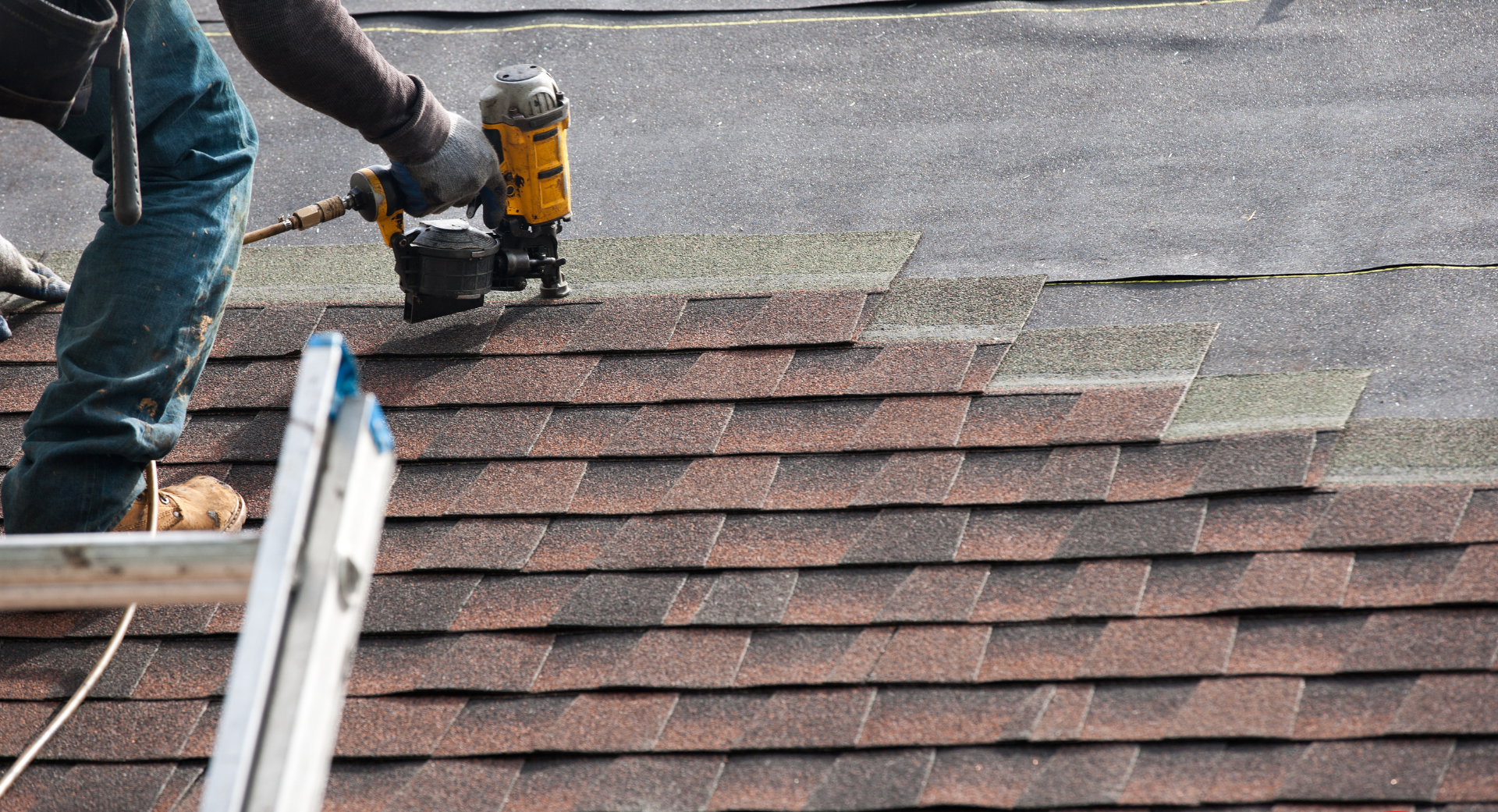
Summer is one of the best times to inspect your roof. While winter and spring often cause the initial damage, summer is when many roofing problems finally become visible. Heat, UV exposure, thunderstorms, and high winds can all expose weak spots before they turn into costly repairs. With a little background knowledge and a good eye, you can get ahead of any possible (and expensive) repairs. 1. Heat-Damaged Shingles The shingles on your roof absorb a significant amount of heat during the summer months. Especially on sunny cloudless days in Kansas City, your shingles can turn your roof into a stovetop. Over time, this constant exposure to heat and sunlight can cause roofing materials to deteriorate. Asphalt shingles naturally age over time, but prolonged UV exposure can accelerate the process. You might notice that your shingles are starting to peel, crack, or loosen. Heat-damaged shingles may not immediately lead to leaks, but they become less effective at protecting your home from rain and wind. Once shingles begin to deteriorate, they're more likely to break, lift, or blow off during summer storms. The seasons will shift again, and those tiny imperfections can grow into larger roofing problems within a few months. If you notice any of these warning signs, it's a good idea to schedule a professional roof inspection before the damage spreads. 2. Storm and Wind Damage Kansas City is no stranger to summer thunderstorms and high winds, and your roof might have taken a beating from recent storms. Sometimes, storm damage is obvious. You may spot shingles in your yard or notice a leak in your ceiling after they blow through town. However, many roofing issues from these storms are less visible. Wind can loosen shingles without completely removing them, creating weak points that allow water to penetrate the roofing system over time. Hail, although less common in summer when compared to spring, can also damage shingles by knocking off their protective granules. If the hailstones are large enough, they might even make visible impacts on the shingles, significantly shortening your roofing system’s lifespan. After a significant storm, homeowners should perform a visual inspection from the ground and look for signs of damage. If anything seems unusual, a professional inspection can help identify hidden issues before they become expensive repairs. 3. Flashing Failures Around Roof Penetrations Unlike shingles, flashing isn't easy to inspect from the ground. As the material is installed around areas where the roof meets other structures, it is responsible for directing water away from vulnerable areas of the roof, like chimneys, vents, skylights, and walls. Unfortunately, flashing is often one of the first components to develop problems during summertime. The heat can cause the metal to expand and contract, gradually weakening seals and creating gaps where water can enter. Because flashing problems are often hidden, homeowners may not realize there's an issue until they notice water stains on ceilings or walls. Common signs of flashing issues include: · Water stains in the attic · Leaks around chimneys or skylights · Damaged caulking or sealant · Rusted or loose flashing materials A small flashing repair is typically much more affordable than repairing extensive water damage inside the home, making early detection especially important. 4. First Signs of Small Leaks Summer is often when hidden leaks finally make themselves known to homeowners. A roof may have developed minor damage during a winter snowstorm or a spring hailstorm might have left behind a few small dents, and now those minor issues have developed into larger problems. Even a small leak can lead to significant problems if ignored. Moisture can damage insulation, drywall, wood framing, and personal belongings. It can also create conditions that encourage mold growth. The sooner a leak is identified and repaired, the less likely it is to cause extensive damage throughout the home. Protect Your Roof Before Problems Get Worse Summer is an excellent time to evaluate the condition of your roof and address small issues before they turn into costly repairs. Heat, storms, and heavy rainfall can expose weaknesses that may have gone unnoticed during other seasons. The good news is that many roofing problems can be caught early with a professional inspection. The sooner roofing problems are identified, the easier and less expensive they are to repair. If you've noticed signs of damage or simply want peace of mind before the next round of summer storms, schedule a free roof inspection with Ameristar Roofing & Restoration. Our experienced local team can identify potential problems before they become costly repairs. Call us at (816) 415-4230 or visit our website for more information about our services.