
Homeowner’s Guide to Roofing Repairs: Timeline, Noise, and Cleanup
Why Roof Ventilation Matters (Especially Now)
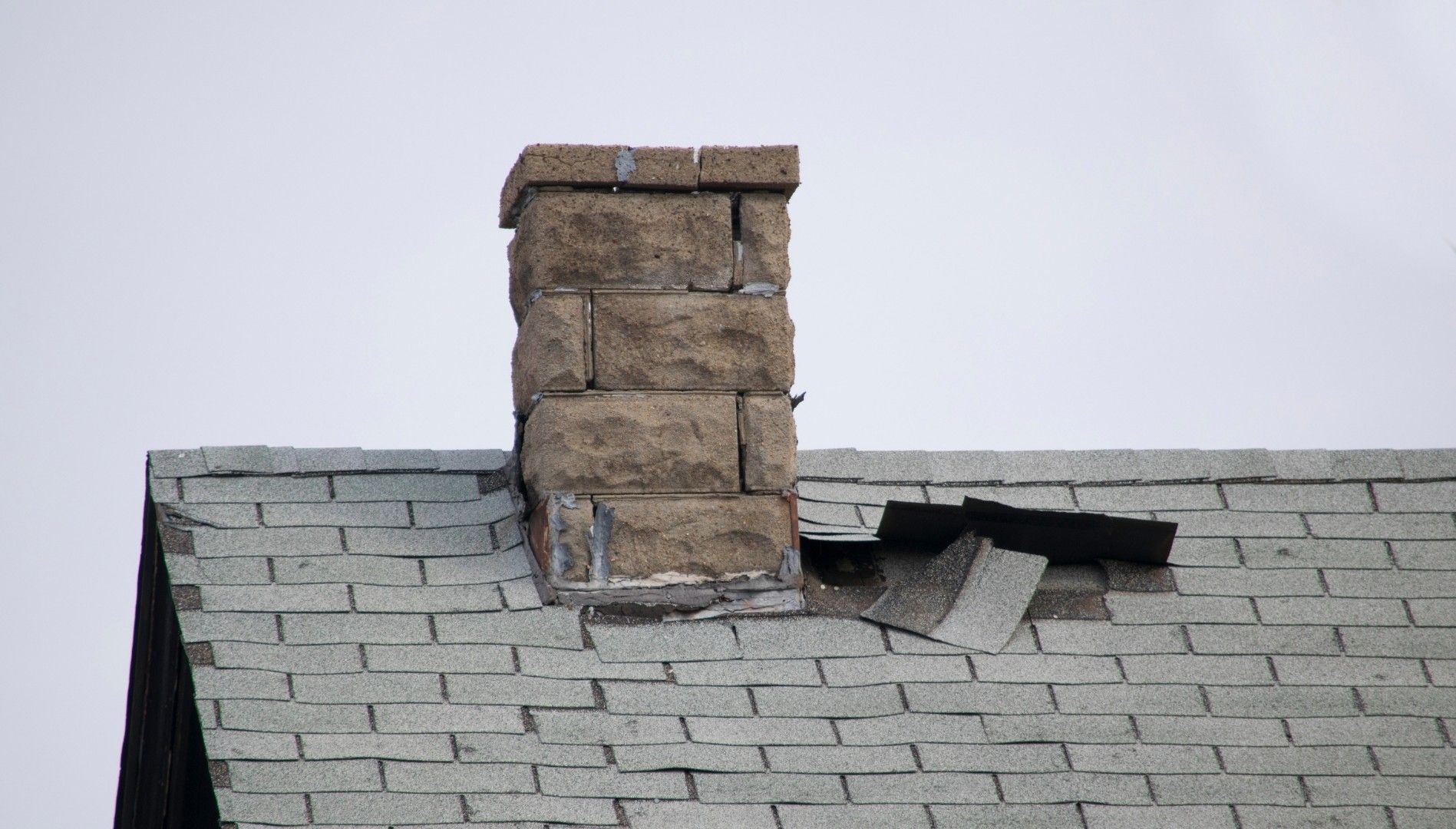
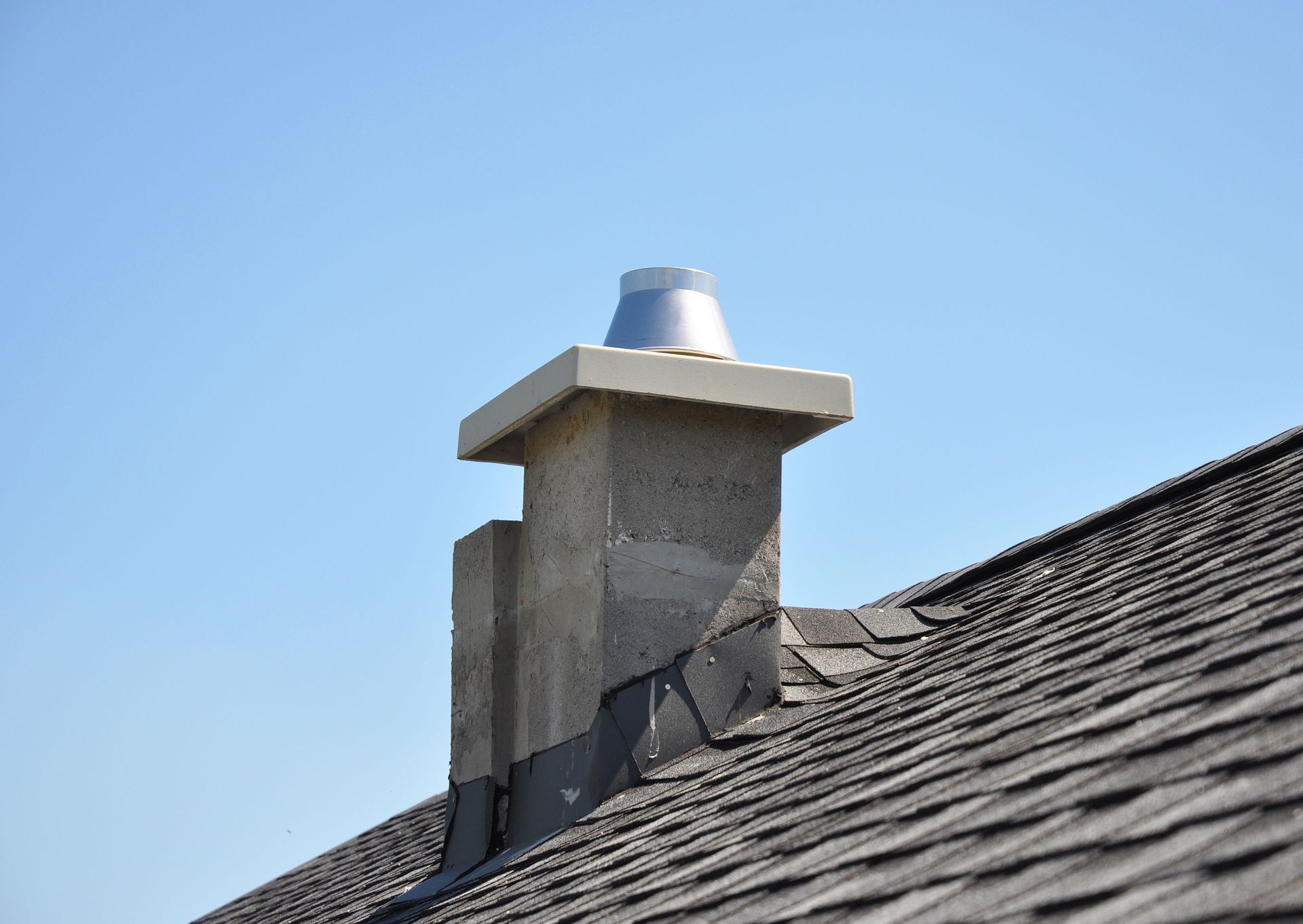
Summer is one of the best times to inspect your roof. While winter and spring often cause the initial damage, summer is when many roofing problems finally become visible. Heat, UV exposure, thunderstorms, and high winds can all expose weak spots before they turn into costly repairs. With a little background knowledge and a good eye, you can get ahead of any possible (and expensive) repairs. 1. Heat-Damaged Shingles The shingles on your roof absorb a significant amount of heat during the summer months. Especially on sunny cloudless days in Kansas City, your shingles can turn your roof into a stovetop. Over time, this constant exposure to heat and sunlight can cause roofing materials to deteriorate. Asphalt shingles naturally age over time, but prolonged UV exposure can accelerate the process. You might notice that your shingles are starting to peel, crack, or loosen. Heat-damaged shingles may not immediately lead to leaks, but they become less effective at protecting your home from rain and wind. Once shingles begin to deteriorate, they're more likely to break, lift, or blow off during summer storms. The seasons will shift again, and those tiny imperfections can grow into larger roofing problems within a few months. If you notice any of these warning signs, it's a good idea to schedule a professional roof inspection before the damage spreads. 2. Storm and Wind Damage Kansas City is no stranger to summer thunderstorms and high winds, and your roof might have taken a beating from recent storms. Sometimes, storm damage is obvious. You may spot shingles in your yard or notice a leak in your ceiling after they blow through town. However, many roofing issues from these storms are less visible. Wind can loosen shingles without completely removing them, creating weak points that allow water to penetrate the roofing system over time. Hail, although less common in summer when compared to spring, can also damage shingles by knocking off their protective granules. If the hailstones are large enough, they might even make visible impacts on the shingles, significantly shortening your roofing system’s lifespan. After a significant storm, homeowners should perform a visual inspection from the ground and look for signs of damage. If anything seems unusual, a professional inspection can help identify hidden issues before they become expensive repairs. 3. Flashing Failures Around Roof Penetrations Unlike shingles, flashing isn't easy to inspect from the ground. As the material is installed around areas where the roof meets other structures, it is responsible for directing water away from vulnerable areas of the roof, like chimneys, vents, skylights, and walls. Unfortunately, flashing is often one of the first components to develop problems during summertime. The heat can cause the metal to expand and contract, gradually weakening seals and creating gaps where water can enter. Because flashing problems are often hidden, homeowners may not realize there's an issue until they notice water stains on ceilings or walls. Common signs of flashing issues include: · Water stains in the attic · Leaks around chimneys or skylights · Damaged caulking or sealant · Rusted or loose flashing materials A small flashing repair is typically much more affordable than repairing extensive water damage inside the home, making early detection especially important. 4. First Signs of Small Leaks Summer is often when hidden leaks finally make themselves known to homeowners. A roof may have developed minor damage during a winter snowstorm or a spring hailstorm might have left behind a few small dents, and now those minor issues have developed into larger problems. Even a small leak can lead to significant problems if ignored. Moisture can damage insulation, drywall, wood framing, and personal belongings. It can also create conditions that encourage mold growth. The sooner a leak is identified and repaired, the less likely it is to cause extensive damage throughout the home. Protect Your Roof Before Problems Get Worse Summer is an excellent time to evaluate the condition of your roof and address small issues before they turn into costly repairs. Heat, storms, and heavy rainfall can expose weaknesses that may have gone unnoticed during other seasons. The good news is that many roofing problems can be caught early with a professional inspection. The sooner roofing problems are identified, the easier and less expensive they are to repair. If you've noticed signs of damage or simply want peace of mind before the next round of summer storms, schedule a free roof inspection with Ameristar Roofing & Restoration. Our experienced local team can identify potential problems before they become costly repairs. Call us at (816) 415-4230 or visit our website for more information about our services.